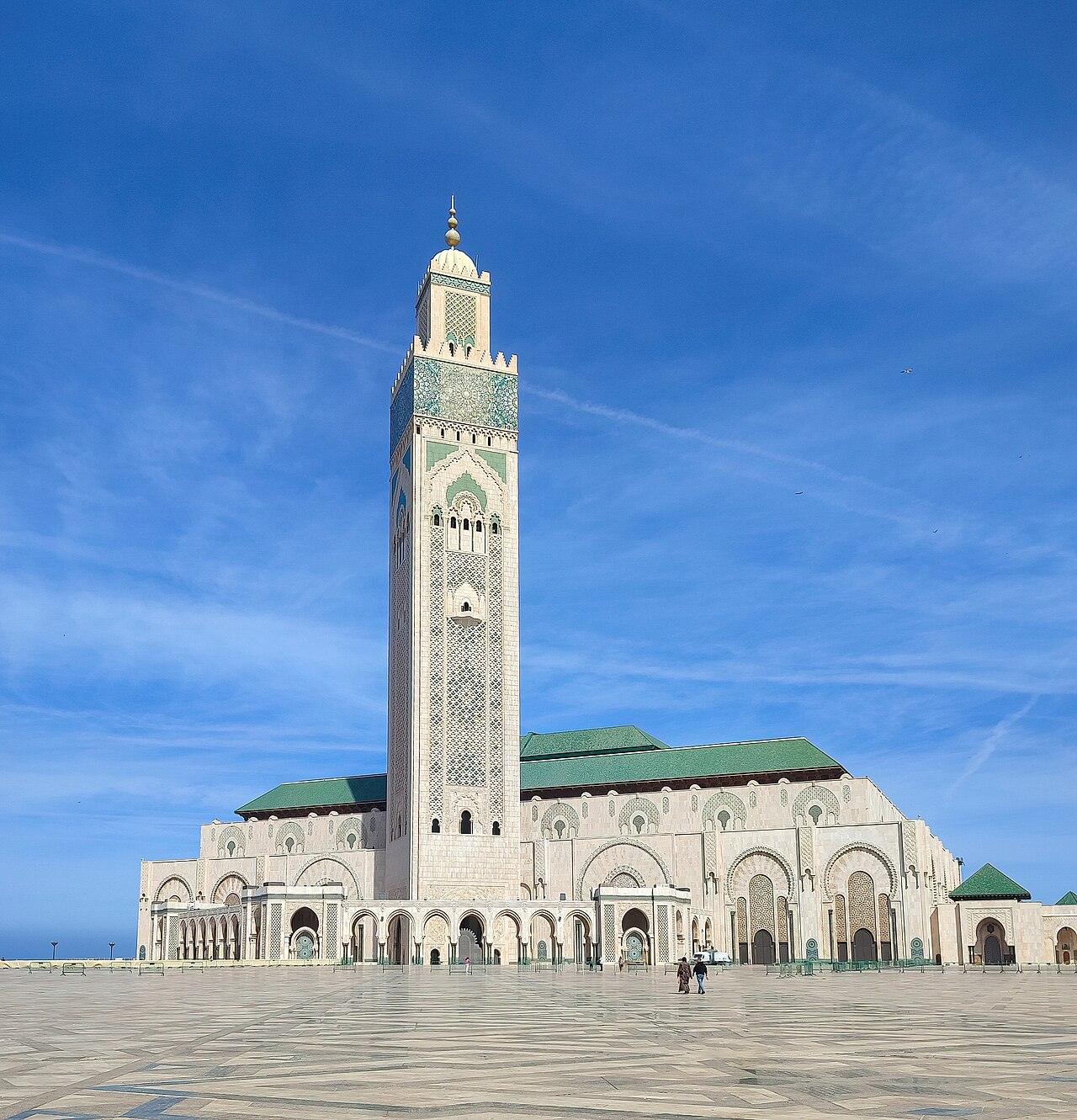
The Ultimate Guide to Marrakech 2026: First-Timer's Edition — Everything You Need to Know
Planning your first trip to Marrakech? This complete 2026 guide covers riads, souks, street food, hidden gems, and the honest tips no one tells you.

Welcome to the Red City (Yes, It's Actually Red)
Let's get one thing straight: Marrakech isn't just a city — it's a full-sensory assault in the best possible way. The moment you step through the medina walls, your nose catches whiffs of cumin and cedar, your ears fill with the call to prayer layered over scooter horns, and your eyes try to process approximately 47 shades of terracotta at once. It's chaotic, it's beautiful, and by the end of day one, you'll either be completely in love or mildly overwhelmed (possibly both — that's normal).
If you're planning a Morocco itinerary 2026, Marrakech is almost certainly on your list. And for good reason. It's the gateway to the country, the poster child of every travel magazine, and honestly? It deserves the hype. But like any city that's been Instagrammed to death, there's a right way and a wrong way to do it.
I'm here to make sure you do it right.
Getting Around Without Losing Your Mind
Walking
The medina (the old walled city) is where you'll spend most of your time, and cars can't fit through most of the alleys. You'll walk. A lot. Comfortable shoes aren't a suggestion — they're a survival requirement. Leave the designer sandals at the riad, people.
Pro tip: Google Maps is... optimistic in the medina. The GPS thinks you're walking through walls half the time. Download Maps.me (it works offline) and accept that getting lost is part of the experience.
Taxis
Petit taxis (the small ones) are cheap and abundant. Always, always agree on the price before getting in, or insist the driver uses the meter. If they say "the meter is broken," that's Moroccan for "I'm about to overcharge you." A ride across the city should cost 20-30 MAD. If someone quotes you 100, walk away — there are ten more taxis waiting.
The Hop-On Hop-Off Bus
Look, I know it sounds touristy. But the Marrakech hop-on bus is actually a brilliant way to get your bearings on day one. You'll see the major landmarks, figure out the city's layout, and get air conditioning. In August, that last point alone is worth the ticket price.
The Must-See Attractions (And the One You Can Skip)
🏰 Bahia Palace
Built in the late 19th century for Si Moussa, the grand vizier, this palace is a masterpiece of Moroccan and Islamic architecture. Intricate zellige tilework, carved cedar ceilings, and peaceful courtyards — it's the kind of place that makes you wonder why we ever invented drywall.
- Cost: 70 MAD
- Hours: 9 AM – 5 PM (closed Tuesdays in some seasons)
- Go early: By 10:30 AM, the tour groups arrive and suddenly you're sharing a courtyard with 80 people all trying to photograph the same fountain
🌿 Majorelle Garden
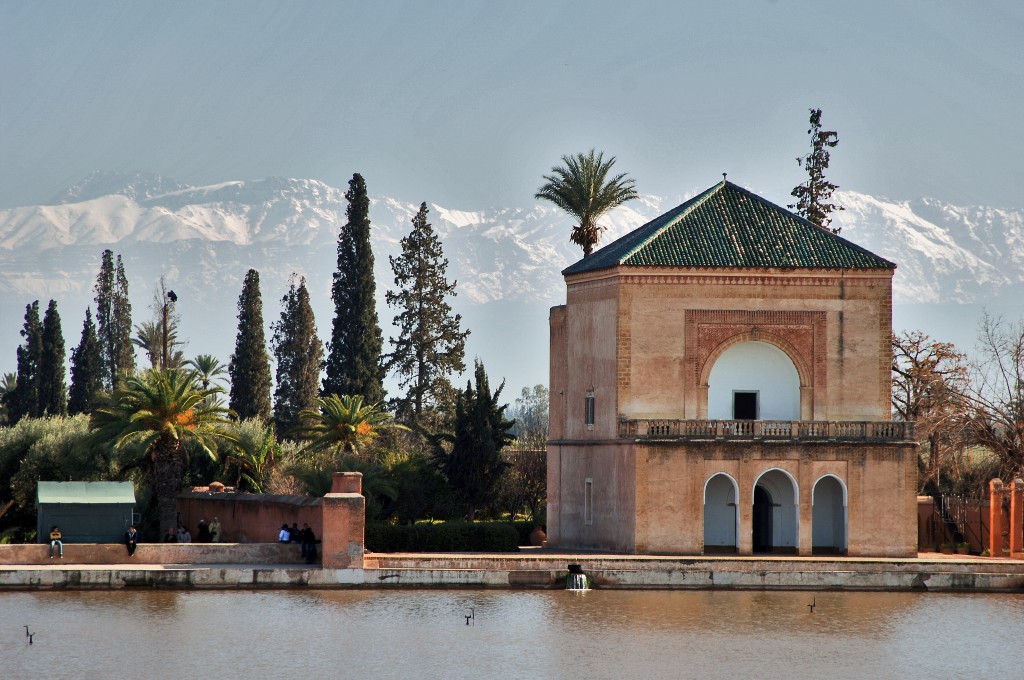
Yves Saint Laurent's famous garden is a Technicolor dream set against the dusty pink of Marrakech. The electric blue ("Majorelle blue") walls, the towering cacti, the burbling streams — it's gorgeous, photogenic, and absolutely packed between 10 AM and 2 PM.
Insider tip: Buy tickets online in advance. The line can take 45+ minutes during peak season, and your patience will evaporate faster than the fountain water in July.
🕌 Koutoubia Mosque
You can't go inside if you're not Muslim, but the exterior and surrounding gardens are worth a visit. This 12th-century mosque is the symbol of Marrakech, and its minaret has been copied across Morocco (including at the Hassan II Mosque in Casablanca). Come at sunset for the best photos — the light hitting the red stone is genuinely magical.
⚰️ Saadian Tombs
Discovered in 1917 and dating back to the time of Sultan Ahmad al-Mansur, these tombs are a stunning (if slightly eerie) window into Morocco's royal past. The main room, with its intricately carved cedar wood and Italian marble, is breathtaking. The garden outside is peaceful and mostly overlooked by the tour groups rushing through the interior.
🗑️ The One You Can Skip: Jemaa el-Fnaa (during the day)
Wait, what? Before you come at me — Jemaa el-Fnaa is incredible. But at 2 PM on a Tuesday in July, it's just a hot, dusty square with overpriced orange juice and snake charmers who get aggressive when you try to walk past. Go at night. After sunset, the square transforms into the greatest open-air food court and performance space on Earth. Storytellers, musicians, food stalls billowing smoke, fresh-squeezed juice, and an energy that's impossible to describe. That's the Jemaa el-Fnaa you came for.
Where to Eat (Without Getting Food Poisoning)
Street Food That Won't Destroy You
Let's address the elephant in the room: everyone's terrified of Moroccan street food. Here's the truth — if you follow the "cooked in front of you and served piping hot" rule, you'll be fine. The locals eat at these stalls every single day.
-
Msemen — This flaky, buttery flatbread is Morocco's answer to a croissant. Find a lady making them fresh on a griddle and prepare to become obsessed. 5 MAD. FIVE.
-
Snail soup — Yes, really. It's served at small carts around the medina, flavored with cumin, thyme, and licorice. It tastes like a warm, earthy broth and Moroccans swear by it as a cold remedy. Try it. You can brag about it later.
-
Grilled meats at the night market — The food stalls at Jemaa el-Fnaa after dark serve enormous platters of lamb, chicken, and beef with bread and salad for 40-60 MAD. Point at what looks good, and don't be shy about sending back anything that's not sizzling hot.
Sit-Down Restaurants Worth the Dirhams
- Nomad — Modern Moroccan on a rooftop overlooking the spice market. The lamb shoulder is legendary. Book ahead.
- Le Jardin — Hidden in a restored riad near the Bahia Palace. Beautiful setting, solid food, slightly touristy prices.
- Café des Épices — Right in the Rahba Kedima (spice square). Perfect for a mint tea break between souk expeditions.
Trust me on this: Eat at least one meal in your riad. Many riads offer dinner, and a home-cooked tagine by someone's Moroccan grandmother, eaten on a rooftop under the stars, beats any restaurant experience. Just arrange it in the morning.
Shopping in the Souks: A Survival Guide
Shopping in the Marrakech souks is not a transaction — it's a theatrical performance, and you are both audience and co-star.
The Golden Rules of Haggling:
- Never accept the first price. Ever. The starting price is typically 3-5x what the seller will actually accept.
- Be prepared to walk away. This is your most powerful negotiation tool. About 60% of the time, they'll call you back with a better price.
- Start at 25-30% of the asking price and meet somewhere in the middle.
- Be friendly, not aggressive. Moroccan culture values hospitality and relationship. Smile, joke, compliment their goods. "Wallah, this is beautiful, but my wallet is crying" works surprisingly well.
- If you're not interested, say "la, shukran" (no, thank you) firmly but politely. Don't engage if you don't want to buy — it wastes everyone's time.
What to buy: Leather goods (especially babouche slippers), argan oil (buy from a women's cooperative, not random street vendors), brass lanterns, spices (saffron from Taliouine is the real deal), and handmade ceramics.
Where to Stay: Riads Explained
A riad is a traditional Moroccan house built around a central courtyard, often with a fountain or orange trees. Most have been converted into guesthouses, and staying in one is non-negotiable for the Marrakech experience.
- Budget (200-400 MAD/night): Riad Layla Rouge, Riad Zanya
- Mid-range (500-900 MAD/night): Riad Kniza, Riad Yasmine (book months in advance — it's Instagram famous)
- Splurge (1000+ MAD/night): Royal Mansour (owned by the King of Morocco, because obviously), La Mamounia (where Churchill, Hitchcock, and the Rolling Stones all stayed)
Important: Always send your riad the name of the nearest landmark or gate (bab) when you arrive. The medina is a maze, and even local taxi drivers get turned around. Your riad will often send someone to meet you and guide you through the final stretch. This isn't optional — it's how you avoid wandering alleys at midnight with your suitcase.
Hidden Gems That Tourists Miss
- The Secret Garden (Le Jardin Secret): A restored 19th-century garden near the Ben Youssef Mosque. Less crowded than Majorelle, equally beautiful.
- Bakeries before sunrise: Walk through the medina at 5:30 AM and you'll see families bringing their tagines to the neighborhood furan (communal oven). It's a magical, intimate glimpse into daily life.
- Dar Si Said Museum: Often overlooked, this palace-museum houses incredible woodworking and decorative arts. Most tourists walk right past it.
Practical Tips for 2026
- Best time to visit: March-May and September-November. Summer (June-August) hits 45°C/113°F. Winter nights can drop to 5°C/41°F.
- Visa: Many nationalities get visa-free entry for 90 days. Check your specific country's requirements.
- Currency: Moroccan Dirham (MAD). You can't buy it outside Morocco — exchange at the airport or withdraw from ATMs.
- SIM card: Get a Maroc Telecom or Orange SIM at the airport for ~50 MAD with data.
- Dress code: Morocco is Muslim and moderately conservative. Cover your shoulders and knees, especially at religious sites. You'll see tourists in shorts, but you'll also see them getting disapproving looks.
- Tipping: 10% at restaurants is standard. 10-20 MAD for riad staff who help with luggage.
- Safety: Marrakech is generally safe, but petty theft happens. Keep valuables in your riad safe and use a crossbody bag in the souks.
Morocco travel 2026 is going to be massive — the country has been investing heavily in tourism infrastructure, new direct flights are opening from dozens of cities, and the word is well and truly out. Book early, stay curious, and for the love of all that is holy, don't buy the "genuine Louis Vuitton" bags in the souk. They are not genuine. I promise.
Welcome to Marrakech. You're going to love it.