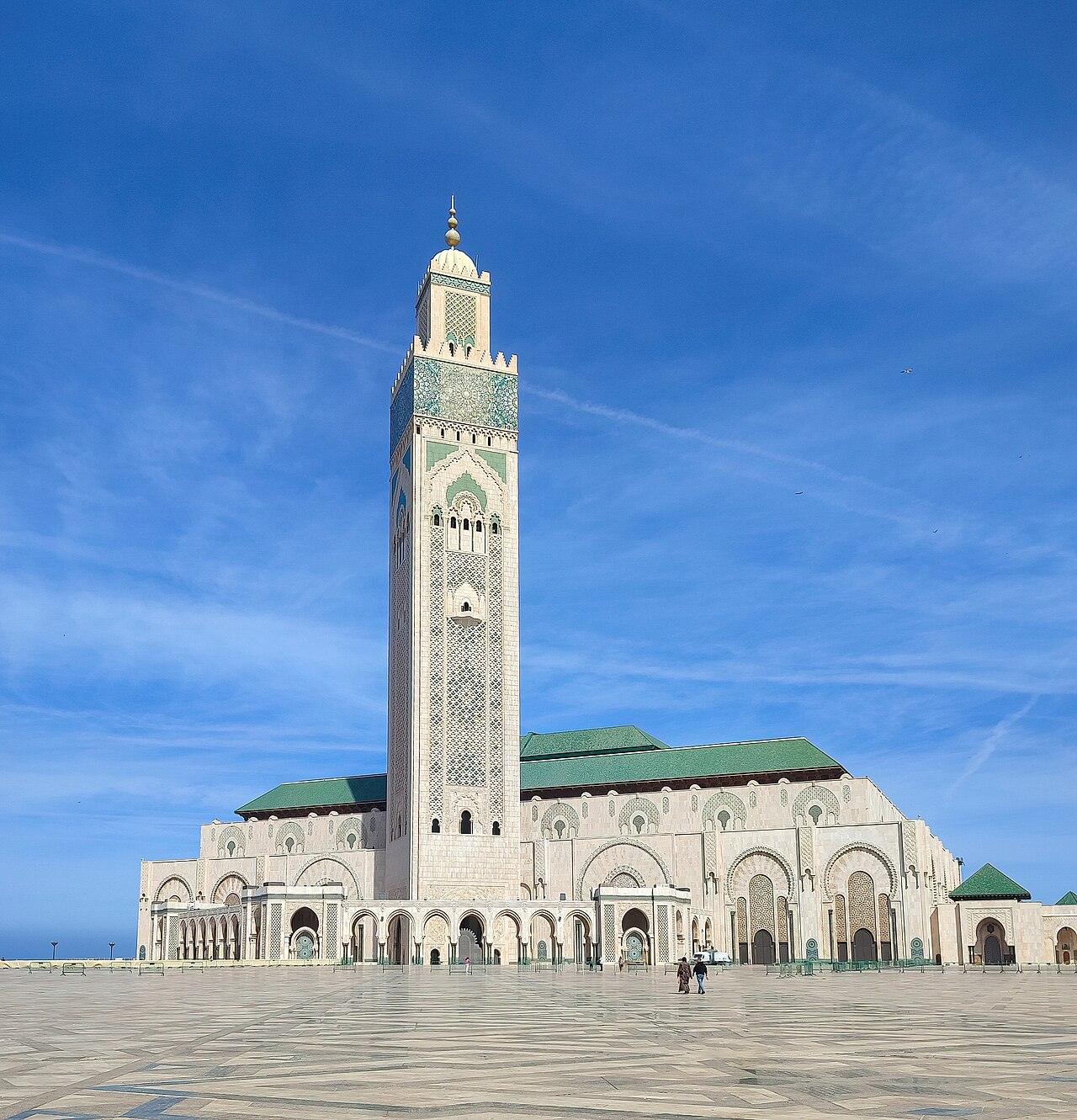
Tangier 2026: Africa's Bohemian Gateway — A Complete City Guide
From the Strait of Gibraltar to the Caves of Hercules, discover Tangier's literary past, cafe culture, and why this bohemian port city is Morocco's most storied gateway.
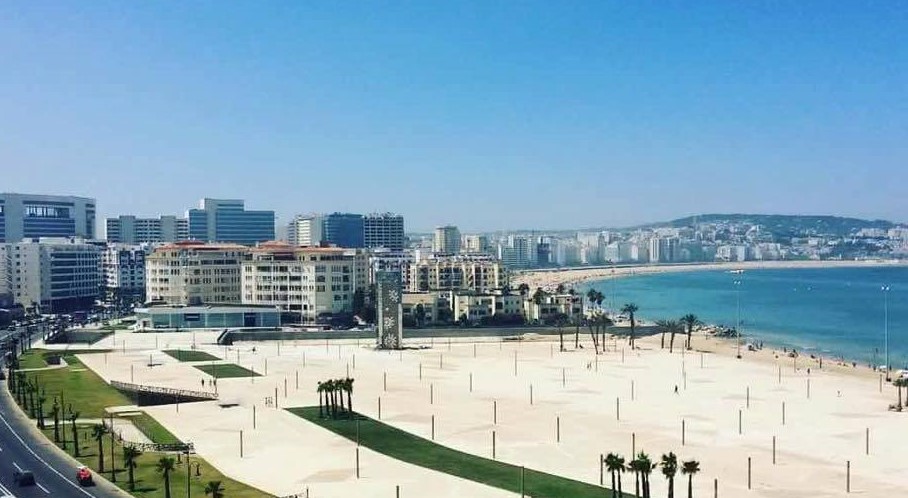
Where Europe Meets Africa (And the Tea Never Stops Flowing)
Stand on the terrace of Tangier's Café Hafa and look across the Strait of Gibraltar. On a clear day, you can see Spain — not just "technically visible" but actually, clearly, unmistakably there. The distance is only 14 kilometers (8.7 miles) at its narrowest point. You could swim it, theoretically. People have. (Don't. The currents are murderous. Just enjoy the view with your mint tea like a civilized person.)
Tangier has always been a city of liminal spaces — between Africa and Europe, between tradition and modernity, between the "real" Morocco and something more complicated. For much of the 20th century, it was an International Zone with its own laws, its own currency, and its own reputation as a haven for smugglers, spies, artists, writers, and anyone else who didn't fit in anywhere else.
The result is a city unlike anywhere else in Morocco — and arguably unlike anywhere else on Earth. As Morocco travel 2026 trends upward and the new high-speed train makes Tangier more accessible than ever, this storied port city is having a genuine renaissance. Here's how to make the most of it.
A Brief (And Sordid) History
To understand Tangier, you need to understand its past. Here's the extremely condensed version:
- Ancient times: Founded by Phoenicians, later controlled by Romans, Vandals, Byzantines, Arabs, and Portuguese (in that order). Everyone wanted Tangier because of its strategic position.
- 1923-1956: The International Zone. Tangier was governed by a committee of foreign powers and became infamous as a duty-free, law-adjacent playground. Smuggling, espionage, gambling, and every flavor of decadence flourished.
- The Beat Generation: In the 1950s-60s, Tangier became a magnet for writers and artists. Paul Bowles, William S. Burroughs, Allen Ginsberg, Jack Kerouac, Tennessee Williams, and Rolling Stone Brian Jones all spent time here. The city was cheap, lawless, and endlessly inspiring.
- Modern era: After decades of decline and neglect, Tangier has been massively revitalized. New port facilities, the high-speed rail link, cleaned-up medina, and a growing cultural scene have transformed the city.
The result is fascinating: a city that's simultaneously ancient and modern, Moroccan and international, gritty and polished, often in the same block.
Getting There
Tangier has never been easier to reach, and this is the biggest game-changer for Morocco itineraries in 2026:
From Spain (The Most Popular Route)
Ferry services run multiple times daily from:
- Algeciras → Tangier Ville (1.5 hours, the most common route)
- Tarifa → Tangier Ville (35 minutes, the fastest option)
- Algeciras → Tangier Med (1 hour, arrives at the new port 40km east of the city)
- Malaga → Tangier Med (5.5 hours, slow but scenic)
Prices range from €30-80 depending on operator and season. Book with FRS, Balearia, or Inter Shipping. Walk-up tickets are usually available but cost more.
Important distinction: Tangier Ville port is in the city center (walkable to the medina). Tangier Med is 40 km away and requires a taxi (150-200 MAD, 45 minutes). Check which port your ferry uses when booking.
From Within Morocco
The Al Boraq high-speed train connects Tangier to Casablanca in just 47 minutes, and to Rabat in 32 minutes. From Marrakech, change in Casablanca for a total journey of about 3 hours. From Fes, it's about 3.5 hours. This is revolutionary — Tangier is now closer to Casablanca than many London commuters are to their office.
Top Attractions
🌊 The Strait of Gibraltar Viewpoint
You haven't really been to Tangier until you've stood at the point where the Mediterranean meets the Atlantic, with Europe visible on the horizon. The best viewpoints are along the cliff walk between the Kasbah and the lighthouse at Cape Spartel.
🏛️ Kasbah Museum
Housed in the former Sultan's palace (Dar el Makhzen), this museum traces Tangier's history from prehistoric times through the International Zone era. The building itself is stunning — Andalusian-style courtyards, carved cedar ceilings, and beautiful tilework. The collection includes Roman mosaics, medieval manuscripts, and fascinating photographs from the International Zone period.
- Cost: 60 MAD
- Hours: 10 AM – 5 PM (closed Tuesdays)
🗿 Caves of Hercules
Located 14 km west of the city, these sea caves are one of Tangier's most popular day trips. Legend says Hercules rested here during his labors, and the cave's opening — shaped like a map of Africa when viewed from inside — adds a dramatic natural frame to the ocean view.
- Cost: 50 MAD
- Getting there: Grand taxi from the city (30-40 MAD) or organized tour
- Combine with: Cape Spartel lighthouse (just up the road)
Honest review: The cave is cool but small. The real attraction is the setting — the walk from the cave to the viewpoint above offers jaw-dropping coastal scenery. Don't rush it.
🧭 The American Legation Museum
This unassuming building holds a remarkable distinction: it's the oldest continuously operating U.S. diplomatic property in the world, and the only U.S. National Historic Landmark located outside the United States. Morocco was the first country to recognize American independence (1786), and this building has housed the American presence in Tangier since 1821.
The museum covers U.S.-Moroccan diplomatic history and includes a wing dedicated to Paul Bowles, the American writer who made Tangier his home for 52 years.
- Cost: 20 MAD
- Hours: 10 AM – 1 PM, 3 PM – 5 PM (closed Sundays, and basically all of August)
🌿 The New Town (Ville Nouvelle)
Tangier's French-built new town is one of the most attractive in Morocco. The Grand Socco (Place du Grand 9 Avril 1947) is the transition point between medina and modern city, and the surrounding streets are lined with excellent cafes, restaurants, and shops.
Cafe Culture: Tangier's Greatest Tradition
Tangier runs on tea, coffee, and conversation. The city's cafe culture is legendary, and no visit is complete without settling into at least one of these historic spots:
Café Hafa
Perched on a cliff overlooking the Strait of Gibraltar, this cafe has been serving mint tea since 1921. Paul Bowles was a regular, as was the Rolling Stones. The terraced seating cascades down the hillside, and the tea is served in small glasses that are somehow always the perfect temperature. There's no food, no Wi-Fi, and no rush. Just tea, views, and the sound of the sea.
Café de Paris
Right in the Grand Socco, this is the classic people-watching spot. Jean-Paul Sartre, Albert Camus, and the entire Beat Generation drank here. The coffee is fine, the location is unbeatable, and the waiters have perfected the art of bringing your order without ever writing anything down.
El Minzah Hotel Terrace
If you want to feel like a wealthy 1950s socialite, have afternoon tea on the terrace of the El Minzah Hotel. The Art Deco elegance, the view of the medina, and the impeccable service make it worth the premium prices.
Tangier's Literary Trail
For literature lovers, Tangier is hallowed ground. Key spots:
- Paul Bowles' apartment (on Rue Ibn Batouta) — he lived here from 1947 until his death in 1999
- The spots where Burroughs wrote Naked Lunch — he lived in the Dwarf's Castle (now a small hotel)
- The bookshops — several excellent bookshops in the medina stock English-language titles about Tangier's literary history
- Tangier International Zone Museum — inside the Kasbah Museum, this section covers the wild International Zone years with photos, documents, and artifacts
Book recommendation: Read Paul Bowles' The Sheltering Sky before visiting. It won't give you a sunny view of the desert, but it'll give you context for why generations of artists were drawn to this part of the world.
Food in Tangier
Tangier's cuisine reflects its cosmopolitan history — Moroccan staples with Spanish, French, and even British influences.
- Street food: Fish sandwiches at the port (freshly grilled sardines in crusty bread with chermoula), harira at market stalls, msemmen from the ladies in the medina
- Sit-down: El Tangerino (Spanish-Moroccan fusion), Le Saveur du Poisson (seafood), Dar Nour (Moroccan fine dining in a beautiful setting)
- Local specialties: Pastilla with pigeon (a Tangier specialty), Spanish-style tortilla (the Spanish influence is strong here), and fresh anchovies when in season
Practical Tips
- Stay: 1-2 nights is ideal for most travelers. Some people fall in love and stay a week. Others find one day sufficient. Tangier rewards those who slow down.
- Best time: April-October. The Atlantic keeps it cooler than inland cities.
- Currency: Same as the rest of Morocco (MAD), but many places near the port will accept euros.
- Language: More people speak Spanish and English here than in most Moroccan cities, thanks to the international history and proximity to Spain.
- Scams: The port area has a higher concentration of aggressive touts and "helpful" locals who expect payment. Be polite but firm.
- Combine with: Chefchaouen (4 hours by bus) for a perfect northern Morocco circuit.
Tangier is the gateway — not just to Africa, but to a way of seeing the world that recognizes borders are just lines we drew on maps. Stand at the Strait, look across at another continent, sip your tea, and let the breeze remind you that the world is both very big and wonderfully small.